:format(webp))

When traders start exploring EA systems, automated trading, or Copy Trade, the first question they often ask is:
"How much profit can this system make?"
However, a more important question is:
"How did this system perform during different market conditions?"
Because a system that generates high returns during one period does not automatically mean it is suitable for every market environment.
For example:
A trading system may have a high Win Rate.
But if:
Average profit per trade is small
Average loss is much larger
Maximum Drawdown is high
Capital requirements are too aggressive
The system may carry more risk than expected.
This is why traders should understand Backtest and learn how to evaluate trading system performance before using real money.
In this article, you will learn:
What Backtest means
The important metrics every trader should understand
Why Win Rate is not everything
The difference between Backtest, Forward Test, and live trading
A checklist before using any trading system with real capital
What Is Backtest?
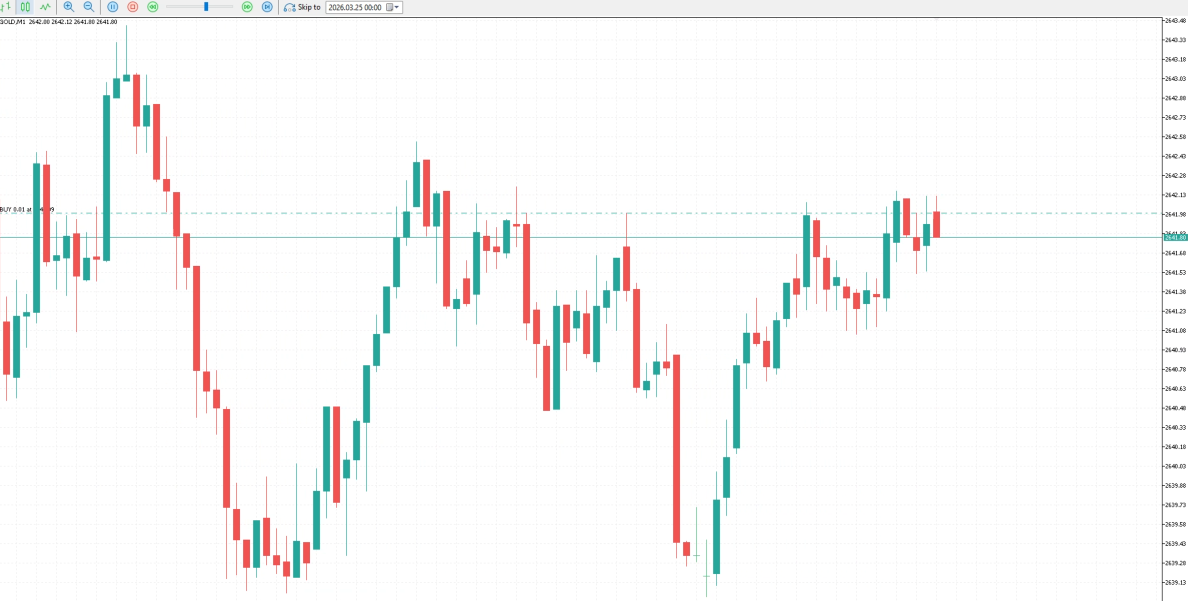 Backtest is the process of testing a trading strategy or system using historical market data.
The purpose is to understand:
How the system performed in the past
How much risk the system experienced
How consistent the results were
Which market conditions the system may suit
Backtest data usually includes:
Trading instrument such as Forex or Gold
Timeframe
Testing period
Entry and exit rules
Spread and commission assumptions
Trading conditions
However, an important point to remember:
Backtest is not a prediction of future performance.
Historical results cannot guarantee future outcomes because real markets can change due to:
Economic news
Market volatility
Liquidity conditions
Spread changes
Execution differences
Therefore, Backtest should be used as a decision-support tool, not as a guarantee of future results.
1. Net Profit: How Much Did the System Make?
Net Profit shows the total profit or loss generated during the testing period.
It answers the basic question:
"What was the historical result of this system?"
However, looking only at Net Profit can create a misleading picture.
A high Net Profit may come from:
Taking excessive risk
Using larger position sizes
Testing during a favorable market period
Therefore, Net Profit should always be reviewed together with:
Maximum Drawdown
Number of trades
Testing duration
Market conditions
2. Maximum Drawdown: How Much Did the System Lose During Difficult Periods?
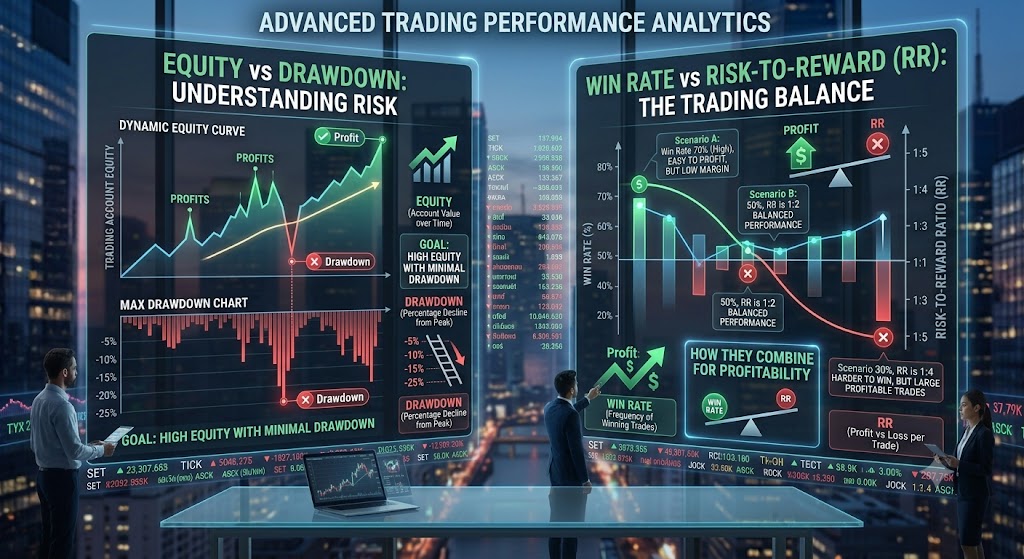
Maximum Drawdown shows the largest decline from the highest account value before recovery.
This metric helps answer:
"How much pressure would a trader experience while using this system?"
Example:
System A:
Return: 30%
Maximum Drawdown: 5%
System B:
Return: 50%
Maximum Drawdown: 40%
Although System B shows higher returns, the risk level may be significantly higher.
A professional evaluation looks at both return and risk.
3. Win Rate: High Winning Percentage Does Not Always Mean Better Performance
Win Rate represents the percentage of profitable trades compared to total trades.
Example:
System A:
Win Rate: 80%
Small average profit
Large occasional losses
System B:
Win Rate: 45%
Larger average profit
Better risk control
System B may still produce better long-term results.
Trading performance is not only about how often you win.
It also depends on:
Average Win
Average Loss
Risk Reward Ratio
Expectancy
4. Average Win vs Average Loss
These two metrics help traders understand the quality of each trade.
Average Win
The average profit from winning trades.
Average Loss
The average loss from losing trades.
Important questions:
"How much do I gain when I am right?"
and:
"How much do I lose when I am wrong?"
A strong system is not necessarily one that wins every time.
It is a system where the relationship between winning and losing trades matches the strategy's risk model.
5. Profit Factor: Does the System Generate More Profit Than Loss?
Profit Factor measures the relationship between total profit from winning trades and total losses from losing trades.
Formula:
Profit Factor = Gross Profit ÷ Gross Loss
Example:
System:
Gross Profit: $10,000
Gross Loss: $5,000
Profit Factor = 2
This means that historically, the system generated $2 in profit for every $1 lost.
However, Profit Factor should not be analyzed alone.
A high Profit Factor may happen because of:
Too few trades
Short testing period
Market conditions that favor the strategy
Always review it with:
Number of trades
Maximum Drawdown
Testing period
Market conditions
6. Expectancy: Does the System Have a Statistical Advantage?
Expectancy helps measure the average expected outcome per trade.
The idea is:
"If this system is executed many times, what type of result does it produce statistically?"
Example:
A system:
Wins 50% of trades
Average winning trade: $200
Average losing trade: $100
Even without winning most trades, the system may still have positive expectancy.
Professional traders do not only ask:
"How often does this system win?"
They also ask:
"What happens when the system wins and loses over many trades?"
7. Number of Trades and Testing Period
A Backtest with limited data may not provide a reliable picture.
Example:
System A:
Tested for 2 months
20 trades
High return
System B:
Tested for 5 years
1,500 trades
More consistent results
System B may provide stronger evidence because it has experienced more market conditions.
Check:
Number of Trades
Is there enough data?
Testing Duration
Did the system experience different environments?
Including:
Trending markets
Sideways markets
High volatility periods
Backtest vs Forward Test vs Live Account
 Many traders assume:
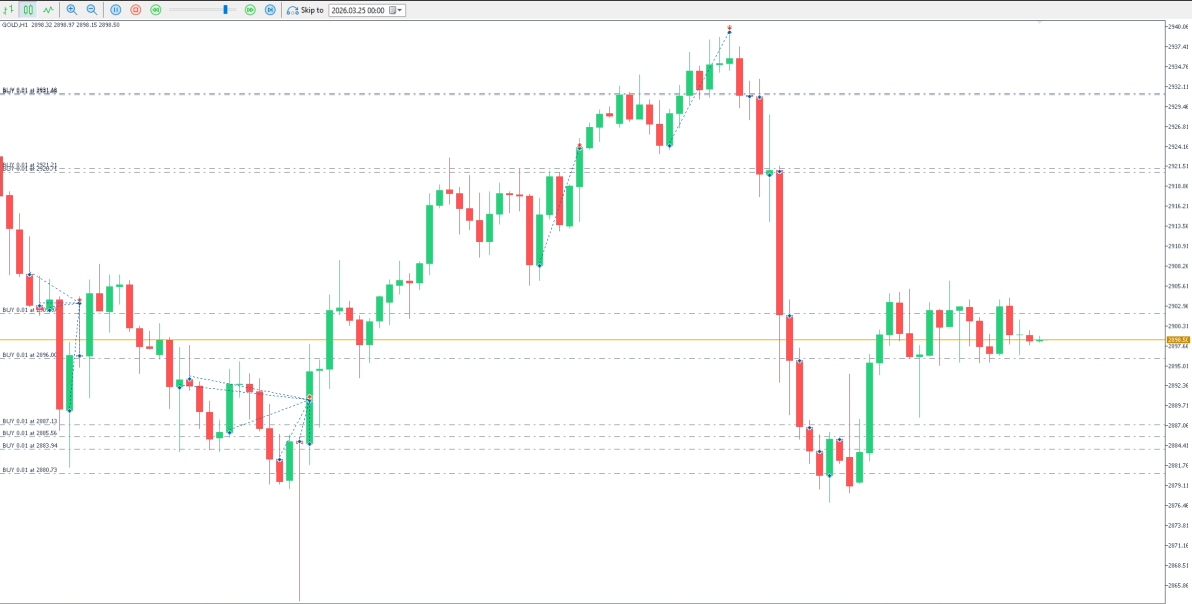
"If Backtest results look good, live results will always be the same."
However, each testing stage is different.
1. Backtest
Testing a strategy using historical market data.
Advantages:
Analyze past performance
Compare strategies
Understand system behavior
Limitations:
Does not fully represent live market conditions
May differ from real execution
2. Forward Test
Testing the system in current market conditions, usually with demo or smaller capital.
It helps evaluate:
Whether the system performs as expected
Whether live conditions match historical testing
Execution differences
3. Real Account Trading
Live trading introduces additional factors:
Real emotions
Actual spread
Slippage
Market execution conditions
Even a system that performs well in Backtest and Forward Test still requires proper risk management.
Spread, Commission, Slippage: Costs That Affect Real Results
Some Backtests may look impressive because real trading costs are not included.
Actual trading includes:
Spread
The difference between buying and selling prices.
Commission
Broker transaction fees.
Slippage
The difference between expected execution price and actual execution price.
A high-frequency system may appear profitable in Backtest but perform differently after including real costs.
Overfitting: When a System Learns the Past Too Much
Overfitting happens when a strategy is optimized too heavily for historical data.
The result:
A system may look excellent in Backtest but fail in live markets.
Common causes:
Too many parameter adjustments
Optimizing only one market period
Creating overly complex rules
Ways to reduce overfitting:
Test multiple market periods
Use Out-of-Sample testing
Perform Forward Testing
Avoid unnecessary complexity
Checklist Before Using a Trading System With Real Money
Before using an EA, Copy Trade, or automated trading system:
☐ Understand the testing period
☐ Know the trading instrument and timeframe
☐ Review Maximum Drawdown
☐ Check the number of trades
☐ Compare Win Rate with Average Win and Average Loss
☐ Review Profit Factor
☐ Understand Risk Reward
☐ Check Spread and Commission assumptions
☐ Review Forward Test results if available
☐ Define acceptable risk level
How Professional Traders Evaluate Trading Systems
Choosing a trading system should not start with:
"How much profit does it make?"
A better evaluation process asks:
How does the system work?
What market conditions has it experienced?
What was the maximum drawdown?
Is the risk suitable for my capital?
Do I understand the system?
A good system is not one without losses.
A good system is one where traders:
Understand the rules
Accept the risks
Follow the process
Review performance regularly
Learn How to Evaluate Trading Systems Before Using Real Money
Before using EA, Copy Trade, or automated trading systems, traders should understand:
Performance data
Risk metrics
Drawdown behavior
System limitations
Making decisions based on complete information helps traders choose tools that better match their goals and risk tolerance.
CEO Beer Recommends Backtesting Before Live Trading
According to CEO Beer, founder of Indy Trader Academy, Backtesting is one of the most valuable steps in developing a reliable trading strategy. By testing a strategy against historical market data, traders can evaluate its strengths, identify potential weaknesses, and better understand how it performs under different market conditions before risking real capital. Although backtesting cannot guarantee future results, it provides valuable insights for refining entry and exit rules, improving risk management, and building confidence in a trading plan. CEO Beer encourages traders to make backtesting a regular part of their trading process, ensuring that every strategy is supported by data and continuous improvement rather than assumptions or emotions.
Related Articles & Products
Continue learning about systematic Forex trading:
What Is a Forex Trading System? From Guessing to Structured Trading
Learn how professional traders build rules, entry conditions, exits, and risk management.
Grid Trading Explained: How It Works and What Risks You Should Understand
Understand automated trading concepts and Grid system limitations.
EA vs Trading Tools: How to Choose the Right Forex Trading Assistant
Learn the difference between EA, Indicators, and Trading Assistants.
FAQ: Backtest Forex Questions
What is Backtest?
Backtest is the process of testing a trading strategy using historical market data to analyze performance and risk.
Does a high Win Rate mean a better trading system?
Not necessarily.
Win Rate should be evaluated together with Average Win, Average Loss, Maximum Drawdown, and Profit Factor.
Can Backtest guarantee future profits?
No.
Backtest only shows historical performance and cannot guarantee future results.
Why is Maximum Drawdown important?
Maximum Drawdown shows the largest historical decline and helps traders understand potential risk exposure.
What should I check before using an EA?
Review:
Trading logic
Backtest results
Drawdown
Risk management
Capital suitability
Risk Disclaimer
Forex trading and leveraged products involve significant risk and may not be suitable for all investors.
Backtest results, historical performance, and past data do not guarantee future results.
EA systems, Copy Trade services, and automated trading tools cannot guarantee profits.
Investors should study the system, understand the risks, and evaluate their own risk tolerance before making trading decisions.
