:format(webp))

Today, Forex traders have access to many different tools that can support their trading process.
From technical indicators and chart analysis tools to automated systems such as Expert Advisors (EA), traders have more options than ever before.
However, one common question remains:
"Which trading tool is right for me?"
Many beginners misunderstand how these tools work.
Some believe an EA can completely replace a trader.
Others think indicators can provide guaranteed entry signals.
Some choose Copy Trade because they want someone else to handle the trading decisions.
The reality is that each tool has a different purpose.
Some tools help analyze market information.
Some help organize the trading process.
Some help execute predefined rules automatically.
A good trading tool should not replace understanding and responsibility. It should help traders create a more structured process.
In this article, you will learn:
What EA Forex is
The difference between EA, Indicators, Trading Assistants, and Copy Trade
The advantages and limitations of each tool
How to choose a tool that matches your trading style
Indy Trader also develops trading systems and tools designed to help traders make decisions based on structure, data, and predefined rules rather than emotions.
What Is EA Forex?
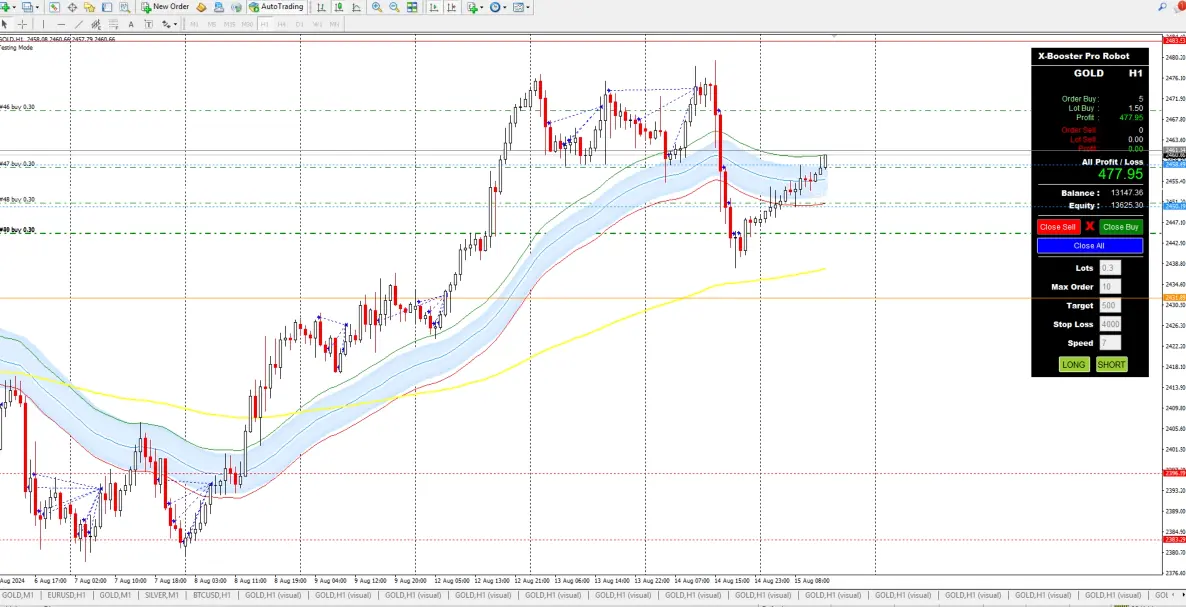 EA stands for Expert Advisor.
An EA is a software program designed to execute trading rules automatically on a trading platform.
Depending on its design, an EA can perform tasks such as:
Opening trades based on predefined conditions
Closing positions according to specific rules
Managing orders
Following a programmed trading strategy
The important point is:
An EA follows rules. It does not think like a human trader.
An EA does not understand market situations in the same way a trader does.
Its performance depends on factors such as:
The logic behind the system
Market conditions
Risk settings
Capital allocation
How the user manages the system
A strategy that performs well in one market environment may require adjustments when market conditions change.
EA Is Not a Profit Machine
One of the biggest misunderstandings about EA systems is the idea that automation removes risk.
In reality:
Automation only changes how decisions are executed.
It does not remove market uncertainty.
Every EA still has limitations:
It follows programmed conditions
It may perform differently in different market environments
It requires proper risk management
It should be monitored and reviewed
A responsible approach is to understand:
"What does this system do?"
"What are its limitations?"
"What risks should I prepare for?"
before using any automated tool.
Indicator vs Trading Assistant vs EA vs Copy Trade
Before choosing a tool, traders should understand the role of each type.
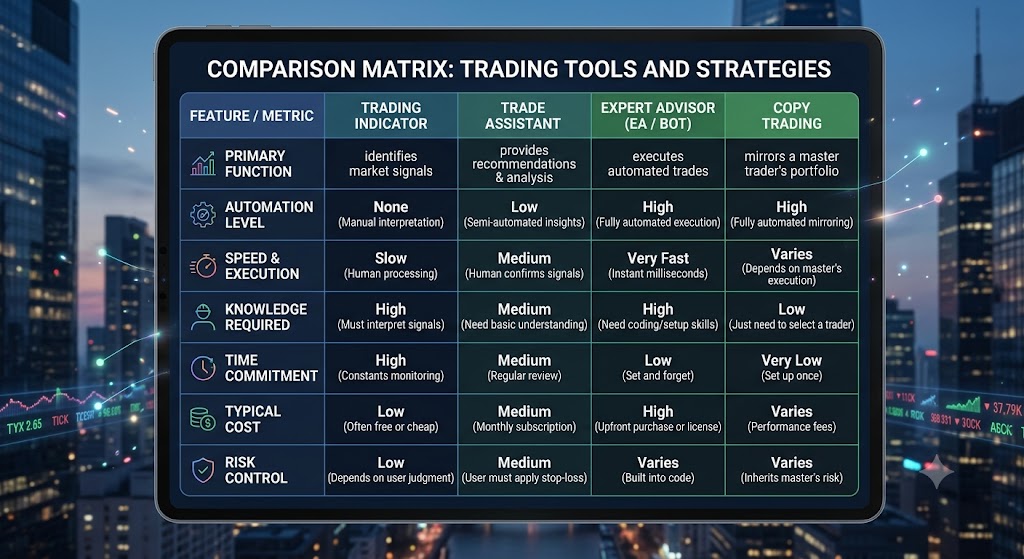
1. Indicator: A Tool for Market Analysis
Indicators are tools that process price data and display information to help traders analyze the market.
Examples include:
Trend indicators
Momentum indicators
Volatility indicators
Support and resistance tools
Indicators can help traders identify:
Possible market direction
Price momentum
Potential trading areas
However, indicators do not make decisions for traders.
The trader still needs to evaluate:
Market condition
Trading setup
Entry timing
Risk management
2. Trading Assistant: A Tool to Improve Trading Process
A Trading Assistant sits between manual trading and full automation.
Its purpose is to help traders organize their workflow.
Examples:
Position size calculation
Risk calculation
Order management support
Displaying important trading information
This type of tool can be useful for traders who want to maintain control over decisions while reducing mistakes caused by manual processes.
3. EA: Automated Execution Based on Rules
An EA focuses on executing predefined trading logic.
For example:
When condition A happens, open a trade
When condition B happens, close a trade
Follow predefined risk rules
Advantages:
Reduces emotional decisions
Creates consistency in execution
Allows strategy testing
Limitations:
Cannot understand unexpected market events
Cannot guarantee future results
Requires suitable risk management
4. Copy Trade: Following Another Trading Strategy
Copy Trade allows users to follow the trading activity of another account or strategy provider.
Potential benefits:
Learn from another trader's approach
Reduce the need for manual analysis
However, users should evaluate:
Trading history
Maximum Drawdown
Risk approach
Strategy consistency
Transparency of performance information
Past performance does not guarantee future results.
How X-Booster Supports Traders
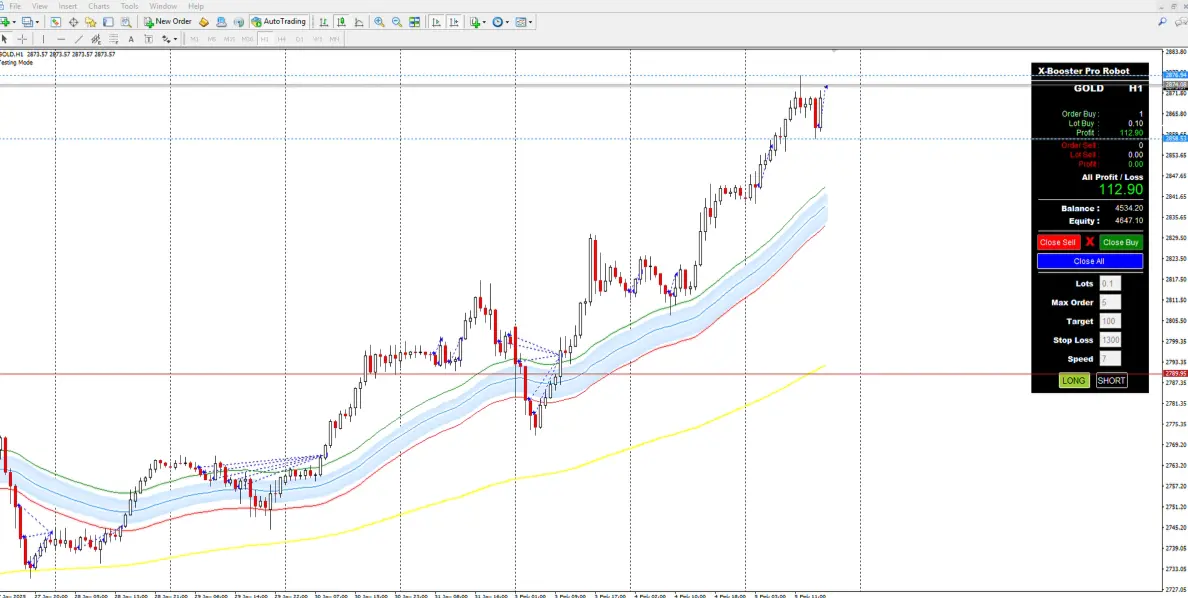 A trading assistant should not be viewed as a replacement for the trader.
Instead, it should help improve the trading process.
The concept behind tools like X-Booster is to support traders by helping them work with more structure.
A trading assistant can help with:
Organizing information
Reducing repetitive tasks
Supporting risk management
Creating a more systematic workflow
The trader remains responsible for:
Understanding the market
Choosing suitable setups
Managing risk
Making final decisions
Indy Trader presents X-Booster Pro as one of its trading tools designed to support traders alongside its education and trading systems.
How EA Systems Should Be Used
For traders interested in EA systems, the key is understanding the system before using it.
Before activating an EA, consider:
1. Understand the Trading Logic
Ask:
How does the system enter trades?
How does it exit trades?
What market conditions does it suit?
2. Understand the Risk
Review:
Position sizing
Maximum Drawdown
Stop Loss approach
Capital requirements
3. Test Before Using Real Capital
A responsible process may include:
Demo testing
Small account testing
Reviewing actual performance
The purpose is not to find a perfect system.
The purpose is to understand whether the tool matches your expectations and risk level.
How to Choose the Right Forex Trading Tool
Before choosing any tool, ask yourself:
What problem am I trying to solve?
Problem: "I cannot analyze charts effectively"
Possible solutions:
Indicators
Market analysis tools
Trading education
Problem: "I understand my strategy but make execution mistakes"
Possible solutions:
Trading Assistant
Risk management tools
Problem: "I want a system that follows predefined rules"
Possible solutions:
EA systems
Problem: "I want to follow another trader"
Possible solutions:
Copy Trade
Forex Trading Tool Checklist
Before using any trading tool:
☐ Do I understand how the tool works?
☐ Do I understand the risks?
☐ Does it match my trading style?
☐ Have I tested it before using larger capital?
☐ Do I understand when the system should not be used?
☐ Do I have a risk management plan?
Human + Tool: The Right Way to Use Trading Technology
The best traders do not depend only on humans or only on technology.
They combine both.
A good trading tool should:
✓ Help analyze
✓ Help organize
✓ Help follow rules
It should not:
✗ Replace learning
✗ Replace decision-making
✗ Remove responsibility
Technology can improve the process, but understanding the market and managing risk remain essential parts of trading.
CEO Beer Views EA Trading Tools as a Support Tool, Not a Shortcut
According to CEO Beer, founder of Indy Trader Academy, an EA Trading Tool should be viewed as a tool that enhances trading efficiency rather than a shortcut to guaranteed profits. While Expert Advisors can automate trade execution and help traders follow predefined rules with consistency, they are only as effective as the strategy and risk management principles behind them. Traders still need to understand how the EA operates, the market conditions it is designed for, and the potential risks involved when market behavior changes. For this reason, CEO Beer encourages traders to thoroughly test and evaluate any EA before using it in a live account, ensuring that technology is used as a complement to sound trading knowledge and decision-making.
Related Articles & Products
Continue learning about systematic Forex trading:
Related Articles
What Is a Forex Trading System? From Guessing to Structured Trading
Learn how professional traders create rules, entry conditions, risk management, and repeatable processes.
Grid Trading Explained: How It Works and What Risks You Should Understand
Understand automated trading concepts and why risk management matters when using grid systems.
Pre-Trade Checklist: 5 Things to Check Before Every Trade
Build better trading habits before opening your next position.
Trading Tools
Explore Indy Trader tools designed to support systematic trading:
Learn how a Trading Assistant can support your trading workflow.
Explore a structured trading system approach using predefined analysis rules.
Frequently Asked Questions (FAQ)
What is an EA Forex system?
An EA Forex system is an automated program that follows predefined trading rules to execute trading actions on a platform.
Can an EA guarantee profits?
No.
An EA cannot guarantee future results. It is a tool that follows programmed rules and should be used with proper risk management.
What is the difference between an Indicator and an EA?
An Indicator helps traders analyze market information.
An EA can automatically execute predefined trading rules.
Should beginners use EA systems?
Beginners should first understand trading concepts, systems, and risk management before using automation tools.
Understanding the tool helps users apply it more appropriately.
Which Forex trading tool is the best?
There is no single best tool for everyone.
The right choice depends on:
Trading goals
Experience level
Risk tolerance
Trading style
Risk Disclaimer
Forex trading and leveraged products involve significant risk and may not be suitable for all investors.
Trading tools, automated systems, and Expert Advisors cannot guarantee future results.
Past performance, backtesting results, and historical data do not guarantee future performance.
Investors should study the product details, understand the risks, and evaluate their own risk tolerance before making trading decisions.
